
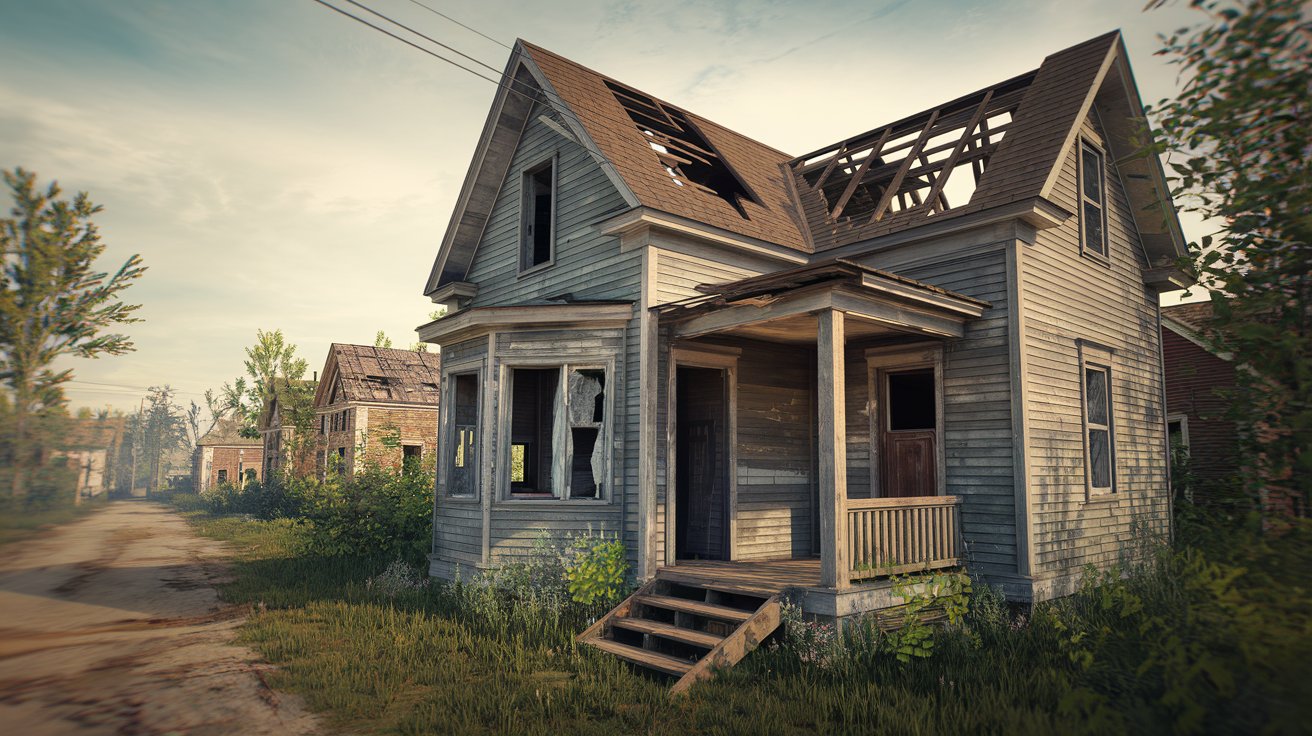
Ontario harbors over 300 abandoned settlements scattered across its vast landscape, offering urban explorers and history enthusiasts unprecedented access to Canada’s forgotten past. These ghost towns in Ontario range from mining communities frozen in time to railway settlements reclaimed by nature, each telling unique stories of boom-and-bust cycles that shaped the province. This comprehensive guide reveals the most accessible and historically significant abandoned sites, complete with current 2026 visiting regulations and preservation status.
What Are Ghost Towns and Why Ontario Has So Many
Ghost towns represent communities abandoned by their inhabitants due to economic decline, resource depletion, or catastrophic events. Ontario’s extensive collection of abandoned settlements stems from its 19th and 20th-century reliance on extractive industries including logging, mining, and railway expansion. When these industries collapsed or relocated, entire communities vanished almost overnight, leaving behind structural remnants that now fascinate visitors from across the United States and beyond.
The province’s most isolated regions in Northern Ontario contain the highest concentration of ghost towns, particularly along former railway corridors and near exhausted mineral deposits. Unlike American ghost towns concentrated primarily in western states, Ontario’s abandoned places span diverse geographical zones from southern farmlands to subarctic wilderness. As of 2026, preservation efforts have intensified, with several municipalities designating former ghost towns as heritage sites to protect their historical significance while allowing controlled public access.
Top 10 Ghost Towns in Ontario to Visit
These ten abandoned settlements represent Ontario’s most accessible and historically significant ghost towns, each offering unique insights into the province’s industrial heritage and pioneer spirit.
Balaclava: The Mill Town Frozen in Time
Located in Eastern Ontario’s Renfrew County, Balaclava thrived as a lumber mill community throughout the 1800s before economic decline gradually emptied the settlement. Today, visitors discover remarkably preserved stone foundations, the historic Balaclava Hotel structure, and remnants of the water-powered sawmill that once employed 200 workers. The site sits approximately 90 minutes from the US-Canada border crossing at Ogdensburg, making it highly accessible for American visitors exploring Southern Ontario ghost towns.
Current 2026 regulations permit daytime exploration with no entrance fees, though visitors must respect private property boundaries clearly marked throughout the townsite. The preserved mill foundations and intact stone buildings provide exceptional photography opportunities, particularly during autumn when surrounding forests display vibrant colors that contrast dramatically with weathered limestone structures.
Depot Harbour: Canada’s Largest Ghost Town
Situated on Parry Island in Georgian Bay, Depot Harbour claims distinction as Canada’s largest ghost town by population at its peak. This railway terminus housed over 3,000 residents during the early 1900s, serving as a critical grain shipping port connecting Canada’s prairies to eastern markets. The settlement’s abandonment began in 1928 following devastating fires and railway company bankruptcy, culminating in complete desertion by 1945.
Today’s Depot Harbour ruins sprawl across 500 acres, featuring massive concrete grain elevator foundations, extensive railway infrastructure, and over 100 building foundations accessible via well-maintained trails. The site operates as part of Parry Island First Nation territory, with 2026 visitor protocols requiring advance permission and modest access fees supporting ongoing preservation. American tourists consistently rank Depot Harbour among Ontario’s most impressive abandoned places, citing its scale and relatively intact infrastructure as primary attractions.
Burchell Lake: Remote Mining Settlement
This isolated Northern Ontario ghost town represents the quintessential mining boom-and-bust narrative that created dozens of abandoned settlements across the Canadian Shield. Burchell Lake’s gold mining operations attracted fortune-seekers between 1936 and 1948, establishing a self-sufficient community complete with housing, a school, and recreational facilities serving 400 residents at peak operation.
Accessing Burchell Lake requires serious backcountry preparation, as no maintained roads reach the site. Most visitors arrive via float plane from Sudbury or undertake multi-day canoe expeditions through pristine wilderness. The preserved mine headframe, machinery, and several intact log structures reward adventurous explorers with authentic ghost town experiences unmarred by modern development or extensive visitor traffic.
Wilno: Ontario’s Polish Heritage Ghost Settlement
While technically a diminished community rather than completely abandoned, Wilno represents Ontario’s first Polish settlement and offers unique cultural-historical perspectives. Established in 1858 by Polish immigrants seeking agricultural opportunities, the community once supported 500 residents before economic pressures triggered gradual population decline throughout the 20th century.
Modern Wilno retains approximately 50 permanent residents, with numerous abandoned farmsteads and heritage buildings scattered throughout the surrounding countryside. The impressive St. Mary’s Church, built in 1936, continues operating while surrounded by empty homes and overgrown properties that characterize this living ghost town. Visitors from the United States appreciate Wilno’s accessibility—just 90 minutes from Ottawa—and the opportunity to explore abandoned properties while enjoying operational heritage attractions including the Polish Kashub Heritage Museum.
Pukaskwa: Wilderness Ghost Town
Located within Pukaskwa National Park along Lake Superior’s northeastern shore, this isolated settlement served fishing and mining operations before permanent abandonment in the 1960s. The harsh climate and extreme isolation that initially attracted hardy pioneers ultimately proved unsustainable, leaving behind cabin foundations and equipment now protected within federal parklands.
Parks Canada maintains marked hiking trails leading to Pukaskwa’s abandoned structures, with the 10-kilometer coastal route offering spectacular Lake Superior vistas alongside historical interpretation panels explaining the settlement’s rise and fall. 2026 park regulations require visitor permits and prohibit artifact collection, preserving the site for future generations while allowing controlled public access to this best-preserved wilderness ghost town.
Southern Ontario Ghost Towns and Abandoned Places
While Northern Ontario dominates ghost town discussions, the province’s southern regions contain numerous accessible abandoned settlements within easy reach of major US-Canada border crossings. These sites typically feature different abandonment patterns than northern mining towns, often resulting from agricultural decline or transportation route changes rather than resource depletion.
St. Raphael’s: The Cathedral Ruins
This Eastern Ontario settlement gained prominence as a Catholic religious center serving Scottish Highland immigrants throughout the 1800s. St. Raphael’s magnificent stone cathedral, constructed between 1821 and 1826, rivaled any religious structure in Upper Canada before a catastrophic 1970 fire destroyed the roof and interior while leaving the massive stone walls standing.
The cathedral ruins now operate as a managed heritage site with interpretive signage, maintained grounds, and seasonal guided tours explaining both the building’s architectural significance and the surrounding community’s gradual abandonment. Located 15 minutes from the US border near Cornwall, St. Raphael’s represents one of the most photographed ghost town sites in Ontario, offering dramatic Gothic revival architecture against pastoral farmland backdrops.
Palgrave: The Forgotten Railway Stop
Situated north of Toronto in the Oak Ridges Moraine region, Palgrave functioned as a vital railway junction and agricultural service center before highway transportation rendered its location economically obsolete. The community’s population peaked at 300 residents in the 1920s, declining steadily through the century as automobile travel replaced rail connections.
Today’s Palgrave contains approximately 20 occupied homes alongside numerous abandoned commercial buildings concentrated along the former main street. The derelict railway station, empty general store, and collapsing agricultural warehouse create an eerie contrast with surrounding modern subdivisions encroaching from nearby Brampton. Urban explorers value Palgrave for its accessibility and deteriorating architecture, though property owners have increased security measures in 2026 following vandalism incidents.
List of Ghost Towns in Ontario by Region
Ontario’s 300+ abandoned settlements distribute across distinct geographical regions, each characterized by specific economic histories that explain their rise and eventual desertion. This comprehensive regional breakdown helps visitors plan efficient exploration routes while understanding the diverse factors that created Ontario’s ghost town landscape.
Eastern Ontario ghost towns primarily resulted from lumber industry decline and agricultural consolidation, including Balaclava, St. Raphael’s, Martintown, and numerous Ottawa Valley settlements. Central Ontario features abandoned railway towns and failed resort communities such as Depot Harbour, Glen Orchard, and Longford Mills. Northern Ontario dominates total ghost town numbers with mining and railway settlements including Burchell Lake, Cobalt’s satellite camps, and dozens of forestry outposts accessible only by floatplane or extended wilderness expeditions.
Is It Illegal to Explore Abandoned Places in Canada
Legal considerations surrounding abandoned property exploration in Ontario involve complex trespass laws that differ significantly from regulations in many US states. Canadian law maintains that property ownership continues regardless of abandonment status, meaning entering any structure without explicit permission constitutes trespassing even if buildings appear derelict and unsecured.
However, 2026 enforcement patterns reveal significant regional variation in how authorities handle urban exploration activities. Remote Northern Ontario ghost towns rarely attract law enforcement attention due to their isolation and limited property monitoring, while easily accessible Southern Ontario sites face increased security and active trespass prosecution. Several municipalities have established official ghost town tourism programs that designate specific abandoned properties for legal public exploration, eliminating legal concerns while supporting heritage preservation through modest entrance fees.
American visitors should understand that Canadian trespass laws apply regardless of US citizenship, with potential consequences including criminal charges, fines up to $10,000, and entry bans affecting future border crossings. The safest approach involves researching property ownership, seeking advance permission, or limiting exploration to designated public ghost town sites with explicit access allowances. Many Ontario ghost towns sit on Crown Land or within provincial parks where regulated public access exists through marked trails and interpretive programs.
What Is the Most Isolated Town in Ontario
While technically not a ghost town, Fort Severn holds distinction as Ontario’s most isolated inhabited community, accessible only by air transport or winter ice roads during limited seasonal windows. This extreme isolation context helps explain why numerous Northern Ontario settlements eventually became ghost towns—the logistical challenges and economic costs of maintaining remote communities often proved insurmountable when primary industries collapsed.
Among actual ghost towns, Burchell Lake and similar northern mining camps represent Ontario’s most isolated abandoned settlements, requiring float plane access or multi-day wilderness expeditions. These sites exemplify the harsh realities that drove abandonment: when mining operations ceased, the prohibitive costs and extreme difficulty of maintaining isolated communities made desertion inevitable. No roads connect these remote ghost towns to Ontario’s transportation network, preserving them in remarkably authentic conditions while limiting visitor access to serious backcountry adventurers.
Ghost Towns in Ontario Map and Trip Planning
Planning efficient ghost town exploration routes requires understanding geographical distribution patterns and access requirements that vary dramatically across Ontario’s vast territory. Southern Ontario ghost towns cluster along former railway corridors and historic settlement patterns, typically offering year-round road access from major US-Canada border crossings at Buffalo, Detroit, and Ogdensburg.
Northern Ontario abandoned settlements demand significantly more planning and preparation, with many sites accessible only during summer months via logging roads, float planes, or extended canoe trips. The Trans-Canada Highway provides access corridors to moderately accessible northern ghost towns, while truly remote mining camps require specialized outfitter services or advanced wilderness skills. Digital mapping resources updated for 2026 now include several dedicated Ontario ghost town applications featuring GPS coordinates, access route details, and current legal status information essential for responsible exploration.
Abandoned Towns in Ontario for Sale
The concept of purchasing entire abandoned settlements attracts entrepreneurs, conservation groups, and individuals seeking unique property investment opportunities. Ontario’s real estate market periodically features former ghost towns or substantially abandoned communities available for purchase, though legal complexities and rehabilitation costs typically far exceed initial acquisition prices.
Recent 2026 listings include several former mill towns in Eastern Ontario with asking prices between $200,000 and $800,000 for properties containing multiple heritage structures on substantial acreage. Buyers must navigate complex zoning regulations, environmental assessments addressing potential contamination from historic industrial activities, and heritage designation restrictions that limit modification options while potentially providing tax incentives. Some abandoned properties carry specific conditions requiring heritage preservation or public access provisions that affect commercial development potential.
Americans considering Ontario ghost town purchases should understand that Canadian property ownership by non-residents faces minimal restrictions for recreational properties, though financing options may be limited and cross-border tax implications require professional advisory services. Several abandoned settlements have successfully transitioned to boutique resorts, artists’ colonies, or heritage tourism destinations under new ownership, demonstrating viable economic models beyond simple property speculation.
Best Preserved Ghost Town in Canada
Among Canada’s numerous abandoned settlements, Barkerville in British Columbia holds distinction as the nation’s best-preserved and most extensively restored ghost town, operating as a living history museum with over 100 heritage buildings. However, within Ontario specifically, several candidates claim provincial supremacy for preservation quality based on different criteria.
Depot Harbour earns recognition for structural preservation, with massive concrete foundations and infrastructure remaining largely intact due to their monumental construction quality. The site’s engineering remains demonstrate early 20th-century industrial capabilities while avoiding the complete deterioration affecting wooden structures at many ghost towns. Conversely, St. Raphael’s cathedral ruins represent architectural preservation through active management and conservation efforts that stabilized remaining walls while maintaining authentic historical character.
For authentic abandonment atmosphere without restoration intervention, Northern Ontario’s remote mining camps preserve genuine ghost town conditions with minimal human interference since desertion. These sites offer researchers and serious explorers unmatched opportunities to study natural deterioration processes and authentic historical contexts, though their extreme isolation limits general tourism potential compared to actively managed heritage sites.
Visiting Ghost Towns in Ontario: Safety and Ethics
Responsible ghost town exploration requires balancing historical curiosity with safety consciousness, legal compliance, and ethical preservation principles. Structural dangers including collapsing floors, unstable walls, exposed mine shafts, and contaminated water sources pose serious risks at many abandoned sites, with emergency services often hours away from remote locations.
Essential safety protocols include never exploring alone, carrying comprehensive first aid supplies, maintaining charged communication devices with satellite backup in remote areas, and wearing appropriate protective equipment including sturdy footwear and hard hats when entering structures. Environmental hazards specific to Ontario ghost towns include asbestos in older buildings, lead paint contamination, and potentially dangerous wildlife including bears in northern regions.
Ethical considerations emphasize preservation over souvenir collection, following the “take only photographs, leave only footprints” principle that protects historical integrity for future visitors and researchers. Removing artifacts, even seemingly insignificant items, destroys archaeological context and violates heritage protection laws carrying substantial penalties. The growing popularity of Ontario ghost town tourism in 2026 has increased pressure on vulnerable sites, making ethical visitor behavior increasingly critical for long-term preservation. Sharing location information responsibly through established channels rather than viral social media posts helps balance public interest with site protection needs.
Related video about ghost towns in ontario
This video complements the article information with a practical visual demonstration.
Questions & Answers
What is the most isolated town in Ontario?
Fort Severn represents Ontario’s most isolated inhabited community, accessible only by air or winter ice roads. Among ghost towns specifically, Burchell Lake and similar northern mining camps qualify as the most isolated abandoned settlements, requiring float plane access or multi-day wilderness expeditions. These remote locations lack road connections to Ontario’s transportation network, preserving them in authentic conditions while limiting visitor access to experienced backcountry adventurers with proper equipment and navigation skills.
Is it illegal to explore abandoned places in Canada?
Exploring abandoned properties in Canada without explicit permission constitutes trespassing regardless of a building’s condition, as property ownership continues after abandonment. However, enforcement varies significantly by region and property type. Several Ontario municipalities have established legal ghost town tourism programs allowing public access to designated abandoned sites. American visitors should research property ownership, seek advance permission, or limit exploration to official heritage sites with explicit access allowances to avoid trespass charges, fines up to $10,000, and potential border crossing complications.
What is Canada’s largest ghost town?
Depot Harbour on Parry Island in Georgian Bay holds distinction as Canada’s largest ghost town by population at peak operation, housing over 3,000 residents during the early 1900s. This former railway terminus and grain shipping port sprawls across 500 acres, featuring massive concrete grain elevator foundations, extensive railway infrastructure, and over 100 building foundations. The site operates within Parry Island First Nation territory, with 2026 visitor access requiring advance permission and modest fees supporting ongoing preservation efforts and heritage interpretation programs.
What is the best preserved ghost town in Canada?
Barkerville in British Columbia ranks as Canada’s best-preserved ghost town overall, operating as a living history museum with over 100 restored heritage buildings. Within Ontario specifically, Depot Harbour earns recognition for structural preservation quality, with monumental concrete foundations remaining largely intact. St. Raphael’s cathedral ruins represent architectural preservation through active management, while remote northern mining camps offer authentic abandonment conditions with minimal intervention. The “best preserved” designation depends on whether visitors prioritize restoration, structural integrity, or authentic deterioration processes.
Can Americans visit Ontario ghost towns in 2026?
American citizens can freely visit Ontario ghost towns in 2026 with valid passport documentation required for Canadian border crossing. Most Southern Ontario ghost towns sit within two hours of major US-Canada border crossings at Buffalo, Detroit, and Ogdensburg, offering convenient access for day trips or weekend explorations. Northern Ontario sites require more extensive planning and typically multi-day commitments. Visitors should research current property access regulations, obtain necessary permissions for private properties, and comply with heritage site protocols. Travel insurance covering Canadian medical care is recommended, as US health insurance often provides limited coverage abroad.
Are there ghost towns in Ontario for sale?
Ontario’s real estate market periodically features abandoned settlements or substantially depopulated communities available for purchase, with 2026 listings including former mill towns in Eastern Ontario priced between $200,000 and $800,000. These properties typically include multiple heritage structures on substantial acreage but require navigating complex zoning regulations, environmental assessments, and heritage designation restrictions. Americans can purchase Ontario properties with minimal restrictions for recreational use, though financing options may be limited and cross-border tax implications require professional advisory services. Successful conversions to boutique resorts and heritage tourism destinations demonstrate viable economic models.
| Ghost Town Category | Key Characteristics | Visitor Benefits |
|---|---|---|
| Southern Ontario Sites | Easy road access, agricultural/railway history, 1-2 hours from US borders | Convenient day trips, family-friendly, minimal equipment needed |
| Northern Mining Towns | Remote locations, industrial infrastructure, authentic preservation | Adventurous exploration, photography opportunities, historical authenticity |
| Heritage Managed Sites | Legal access, interpretive programs, stabilized structures | No trespass concerns, educational resources, safety features |
| Wilderness Ghost Towns | Float plane/canoe access only, minimal deterioration, extreme isolation | Unique expedition experiences, pristine conditions, wildlife viewing |
| Available for Purchase | Multiple structures, heritage designations, development potential | Investment opportunities, conservation projects, commercial development |